
 Send Inquiry
Profile cutting service
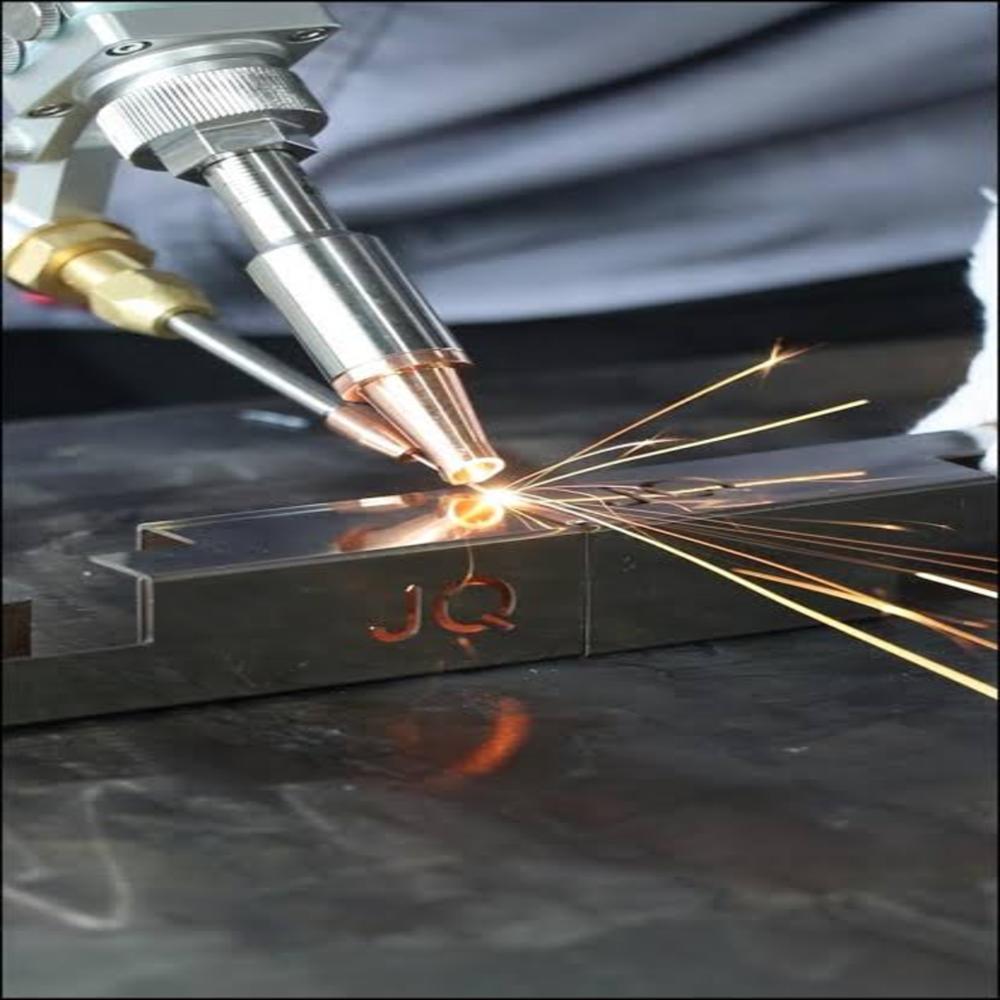

Profile cutting service Specification
- Welding Thickness
- 0.2 mm to 6 mm (material dependent)
- Control System
- CNC-based or PLC-based control
- Application
- Precision metal joining and fabrication
- Energy Consumption
- Low compared to traditional welding methods
- Product Name
- Metal Laser Welding
- Material Compatibility
- Steel, Stainless Steel, Aluminum, Titanium, Copper, Alloys
- Operation Temperature
- 5C - 40C
- Welding Speed
- Up to 5 m/min (varies with material and thickness)
- Optional Accessories
- Wire feeder, rotary fixture, vision system
- Focus Spot Size
- 0.1 mm to 2.0 mm adjustable
- Power Supply
- 220V/380V, 50Hz/60Hz
- Portability
- Portable and benchtop models available
- Automation Level
- Manual, Semi-automatic, Fully-automatic
- Environment
- Clean, controlled workshop or factory
- Safety Features
- Auto shutdown, protective enclosure, safety interlocks
- Cooling Method
- Water cooling or air cooling
- Surface Finish
- High quality, smooth, minimal post-processing required
- Laser Beam Mode
- Continuous wave (CW) and pulsed mode available
- Welding Depth
- Customizable per application
- Precision
- 0.1 mm
- Shielding Gas
- Argon, Nitrogen, Helium (as required)
- Joint Type
- Butt, Lap, Corner, T-joint, Edge
- Power Output
- 20W to 2000W (or as required)
- Laser Type
- Fiber Laser, CO2 Laser, Nd:YAG Laser
- Maintenance Requirement
- Low, easy servicing
- Heat Affected Zone
- Minimal, precise localization
Profile cutting service About
Metal laser welding is a fusion process that uses a highly concentrated, coherent beam of light to melt and join metal parts. Known for its incredible precision and speed, this method produces narrow, deep welds with minimal thermal distortion, making it ideal for aerospace, automotive, and microelectronicsPrecision and Flexibility in Metal Joining
Our Metal Laser Welding system excels in precision, achieving up to 0.1 mm accuracy and supporting various joint types-like butt, lap, corner, T-joint, and edge. The welding speed can reach up to 5 meters per minute, depending on the material and its thickness. Adjustable spot sizes and diverse power outputs make it ideal for tasks requiring intricate and reliable metal joining.
Efficient Operation with Low Maintenance
Engineered for efficiency, the equipment consumes less energy compared to conventional welding methods. It requires minimal maintenance, ensuring low downtime and easy servicing. Integrated safety mechanisms and clean environment requirements support safe, streamlined operations in workshops or factories.
Versatile Material Compatibility and Automation
Compatible with steel, stainless steel, aluminum, titanium, copper, and various alloys, our laser welding solutions offer manual, semi-automatic, or fully-automatic operation. Optional accessories such as wire feeders, rotary fixtures, or vision systems allow further customization, accommodating a wide range of fabrication needs.
FAQ's of Metal laser weilding:
Q: How does metal laser welding achieve precision in metal joining?
A: Metal laser welding uses advanced laser types like fiber, CO2, or Nd:YAG lasers with a focus spot size adjustable from 0.1 mm to 2.0 mm. This allows for precise localization of heat, minimizing the heat-affected zone and delivering welds with up to 0.1 mm accuracy and high-quality surface finishes.Q: What materials and joint types are compatible with metal laser welding?
A: The system is suitable for welding steel, stainless steel, aluminum, titanium, copper, and various alloys. Supported joint types include butt, lap, corner, T-joint, and edge, providing versatility for different fabrication requirements.Q: When is it recommended to use shielding gases like argon, nitrogen, or helium?
A: Shielding gases such as argon, nitrogen, or helium are used during the welding process as required by the material and application. They help protect the weld pool from contamination and ensure strong, clean joints, particularly when working with sensitive or reactive metals.Q: Where should metal laser welding equipment be operated?
A: Operation is recommended in clean, controlled workshops or factory environments. This ensures optimal beam control, minimizes contamination, and upholds high safety and quality standards.Q: What is the maintenance requirement and energy consumption compared to traditional welding?
A: Metal laser welding systems are designed for low maintenance and easy servicing. They also consume less energy than traditional welding methods, making them both cost-effective and environmentally friendly over time.Q: How customizable are welding depth and thickness with this system?
A: Welding depth is fully customizable based on application needs, and the system handles welding thicknesses from 0.2 mm to 6 mm, depending on the material type and laser settings.Q: What are the main benefits of using laser welding over conventional welding techniques?
A: Laser welding offers minimal heat distortion, high precision, smoother surface finishes, faster processing speeds, and greater adaptability in automation. These features make it ideal for detailed fabrication jobs requiring consistency and superior quality.Tell us about your requirement

Price:
Quantity
Select Unit
- 50
- 100
- 200
- 250
- 500
- 1000+
Additional detail
Mobile number
Email

More Products in Cutting Service Category

SHRI BALAJI ENTERPRISES
All Rights Reserved.(Terms of Use)
Developed and Managed by Infocom Network Private Limited.
Developed and Managed by Infocom Network Private Limited.

